
Hydrogen Sulphide in Ponds: What Causes That Rotten-Egg Smell and What It’s Really Telling You
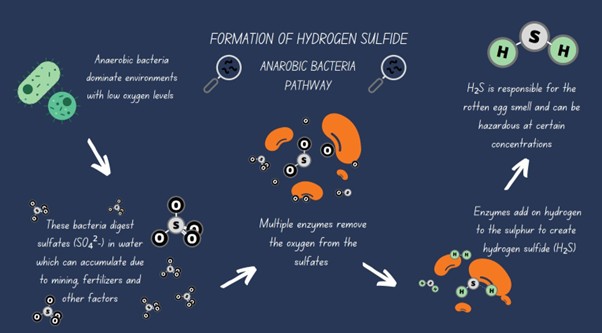
Hydrogen sulphide in ponds is often identified by a strong “rotten-egg” smell and is a clear sign of low oxygen conditions at the pond base. This gas forms when organic waste such as leaves, sludge, and fish debris decomposes in areas where oxygen can no longer reach, allowing anaerobic bacteria to produce hydrogen sulphide as a by-product.
In this guide, AquaFanatics explains what causes hydrogen sulphide in garden ponds, wildlife ponds, koi ponds, and swimming ponds, why it can be harmful to fish, and what the smell is really telling you about your pond’s health. Rather than being a water quality failure, hydrogen sulphide is a symptom of poor circulation, excess organic build-up, and oxygen imbalance.
Learn how to prevent hydrogen sulphide naturally by improving oxygen delivery, managing sludge, and restoring long-term biological balance — without resorting to chemicals or disruptive clean-outs.
I’d Like to Introduce Newts to My Pond — How Can I Do That?

Want to introduce newts to your pond? Learn how to attract them naturally and legally with this UK-focused guide from AquaFanatics. Create a thriving, balanced wildlife pond.
How to Achieve Crystal Clear Water in Your Aquarium: A Practical Guide

Why has my tank gone cloudy? – This is one of our most common questions. Lets go through the process step by step to understand the challenges and solutions to bring your tank back to life.
A Beginner’s Guide to Cold Water Aquariums: Diving into the Chill

If you’re completely new to aquariums, a cold water fish tank can be the easiest way to get into the hobby. Here is our complete beginners guide to starting a successful and rewarding aquarium